
How to apologize to your children after losing your temper.
On this page
A place to begin
Calm yourself, get to your child’s level, and name what you did without blaming them. Tell them your harsh words or behavior were your responsibility, listen to how it affected them, and explain one change you will practice. An apology should give safety and clarity, not ask the child to comfort you.

Give yourself a moment to settle so your apology does not become another sharp response.
The blocks are still on the floor, but the room has become quiet for a different reason. You spoke more harshly than the moment required, and your child is watching to see what happens next. You can return and take responsibility without pretending the household rule no longer matters.
A child does not need a long explanation of every pressure you were carrying. They need to know that you recognize the harm, that it was not their job to manage your anger, and that your next actions will support your words.
Keep responsibility with the adult.
Say, “I shouted, and that was wrong. You did not deserve to be spoken to that way.” Avoid attaching “but you were not listening.” You can address the behavior that needed correction separately, after owning your response clearly.
Do not make the child responsible for resolving your guilt. Repeatedly saying you are a terrible parent may pressure them to reassure you. A steady apology is more useful: it names the action, acknowledges the effect, and leaves room for the child’s feelings.
Let repair become a pattern they can see.
Ask whether they want to tell you how the moment felt. They may speak, stay quiet, or need some space. Do not require a hug or immediate forgiveness as evidence that the apology worked. Offer ordinary care and remain available.
Identify what you will do before the next escalation: set an object down, pause your words, or ask another responsible adult for support. If frightening behavior keeps happening, seek qualified help promptly. The child’s safety matters more than keeping the problem private or making another promise alone.
Scripture in context
Open a passage to read the Bible text and its surrounding chapter here on AskJesus. The notes below explain how it connects with this question; they are reflections, not Bible quotations.
Ephesians 6:4
Paul addresses fathers directly, warning against provoking children and calling for nurturing instruction. Parental authority comes with responsibility for how it is exercised.
James 1:19-20
James connects quick listening and restrained anger with the righteousness God desires. Feeling stressed does not make a harmful response automatically right.
Proverbs 28:13
The proverb contrasts concealing wrongdoing with confessing and leaving it. An apology becomes more trustworthy when accompanied by changed conduct.
What to do with this today
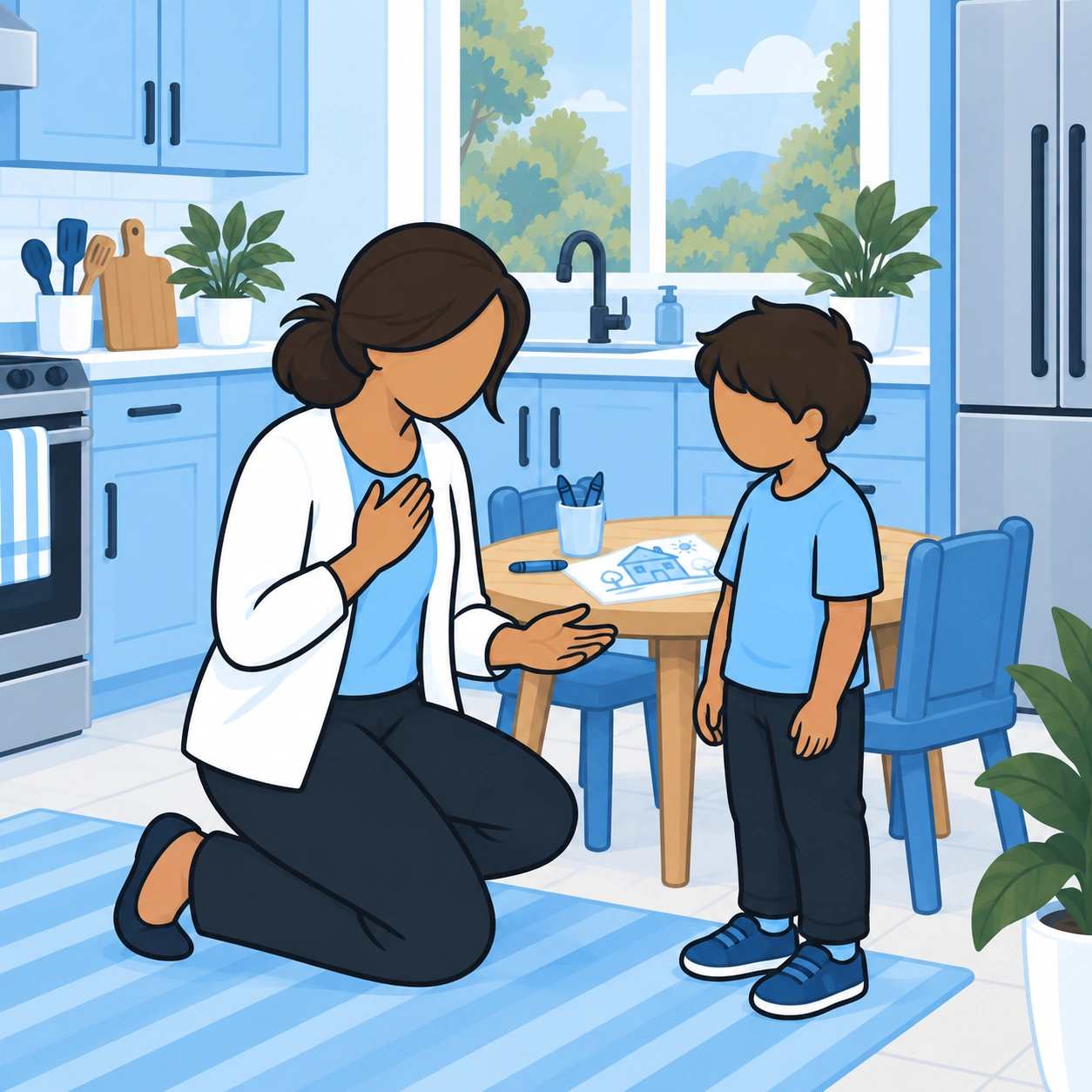
Tell your child what you did and what needs to change, without blaming their behavior for your words.
Become calm enough to repair.
Make sure your child is safe, then pause until you can speak steadily without restarting the conflict.
Name what you did.
Use simple, age-appropriate words and take responsibility without adding a reason the child caused it.
Listen without demanding reassurance.
Allow their response or silence. Offer care without requiring a hug, smile, or immediate forgiveness.
Practice one visible change.
Name what you will do differently and follow through. Get appropriate support if the pattern continues.
Pause & pray
A prayer for this moment
Father, help me take responsibility for the way I speak to my child. Give me humility to apologize clearly and patience to hear their feelings. Teach me to guide without frightening, to pause before anger becomes harm, and to seek help when I need it. In Jesus’ name we pray, Amen.
A question to sit with
What change could your child actually observe the next time you become frustrated?
Common questions
Will apologizing undermine my authority?
A clear apology models responsibility. You can own your wrong response and still maintain a reasonable rule without confusing the two.
What if my child says it is fine?
Accept their words without demanding more, but still make the change you promised. A quick reassurance does not remove your responsibility to improve the pattern.
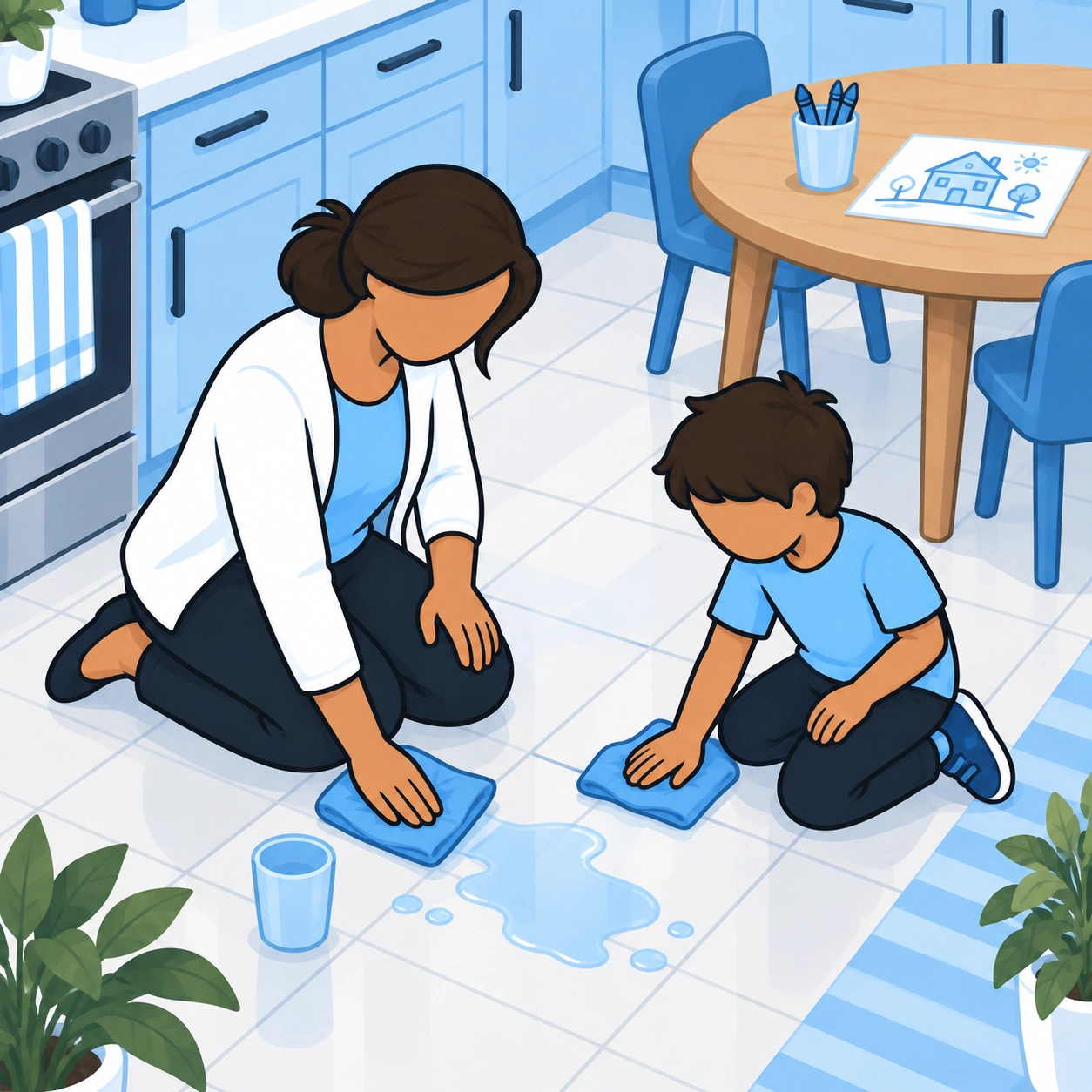
A calm next action supports the apology. Your child does not have to provide an immediate hug or reassurance.