
How to stop comparing your lifestyle to what you see online.
On this page
A place to begin
Notice which accounts or habits leave you dissatisfied, then create some distance from that stream. Ask what you genuinely need and value before turning another person's lifestyle into your next purchase. Practice attention to the people, belongings, and opportunities already in your care. Contentment does not require pretending that real needs or unfair circumstances do not exist.
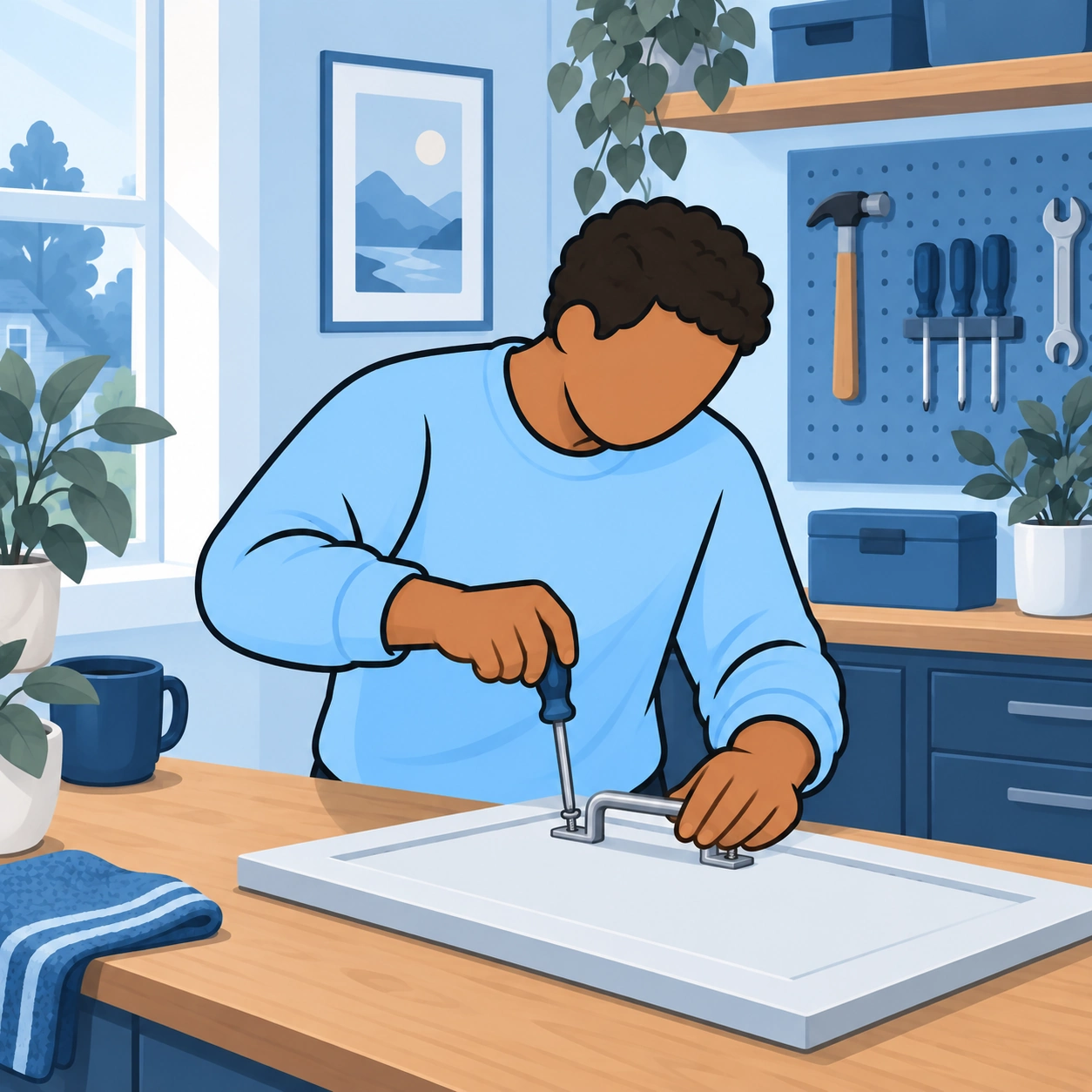
Caring for an ordinary possession can redirect attention from replacement to appreciation.
You open your phone for a short break and finish convinced that your home, clothes, or holidays are somehow behind. A room that felt adequate ten minutes earlier now seems like evidence that you are failing.
Online images rarely show the full cost, tradeoffs, or circumstances of a life. Even when a picture is accurate, it is not a set of instructions for what your household ought to become.
Identify the comparison before obeying it.
Ask what changed between seeing the image and wanting something new. Did it reveal a practical need, or did it create a fear of being less successful, attractive, or welcome? Naming the feeling gives you a chance to respond instead of treating it as a shopping requirement.
Mute or unfollow repeated triggers, shorten browsing sessions, or move the app away from your easiest path. These are practical boundaries, not declarations that everyone sharing a good moment is dishonest. You are choosing what receives repeated access to your attention.
Return to a definition of a good life you can inhabit.
Consider what your home and belongings need to do for you. A useful kitchen, a comfortable place to rest, or room for conversation can matter more than how a space would photograph. Repairing or caring for something you already own may help you notice its continuing value.
Make room for enjoyment that does not depend on presenting it. Share a simple meal, take a walk, or spend time on an interest without documenting the result. If your circumstances genuinely need improvement, name that need plainly and plan for it without requiring your whole life to resemble an online image.
Scripture in context
Open a passage to read the Bible text and its surrounding chapter here on AskJesus. The notes below explain how it connects with this question; they are reflections, not Bible quotations.
Luke 12:15
Jesus warns against locating life in an abundance of possessions. The warning challenges a definition of worth built around accumulation.
Hebrews 13:5
Contentment is connected to God's faithful presence rather than endless acquisition. It does not require denying practical needs.
Philippians 4:11-13
Paul describes learning contentment in both scarcity and abundance. The passage concerns dependence on Christ through changing conditions, not a guarantee of material success.
What to do with this today

Real conversation offers a fuller kind of companionship than comparing polished glimpses online.
Notice the effect of one account.
Pay attention to whether viewing it supports your values or repeatedly produces inadequacy.
Reduce one trigger.
Mute, unfollow, or limit a browsing habit that keeps turning comparison into a demand.
Name your own priorities.
Write what would genuinely improve your household's life before considering another purchase.
Enjoy something without displaying it.
Give attention to a useful possession, a relationship, or an ordinary experience without making content from it.
Pause & pray
A prayer for this moment
Father, steady my attention when comparison makes my life feel smaller. Help me see real needs clearly, appreciate what is useful and good, and resist buying a sense of worth. Teach me contentment that is honest, generous, and rooted in Your care. In Jesus’ name we pray, Amen.
A question to sit with
What would you still want to change about your lifestyle if nobody else could see the result?
Common questions
Is wanting a nicer home or better clothes wrong?
Not automatically. Consider the purpose, cost, responsibilities, and pressure behind the desire. A practical improvement is different from needing a purchase to prove you matter.
Do I need to stop using social media entirely?
Not necessarily. Begin with a boundary that addresses the pattern you have noticed. A longer break may be useful if smaller changes do not give your attention room to settle.

Gratitude can be honest about unmet needs while recognizing gifts already present.